PANEL #1ACT 1
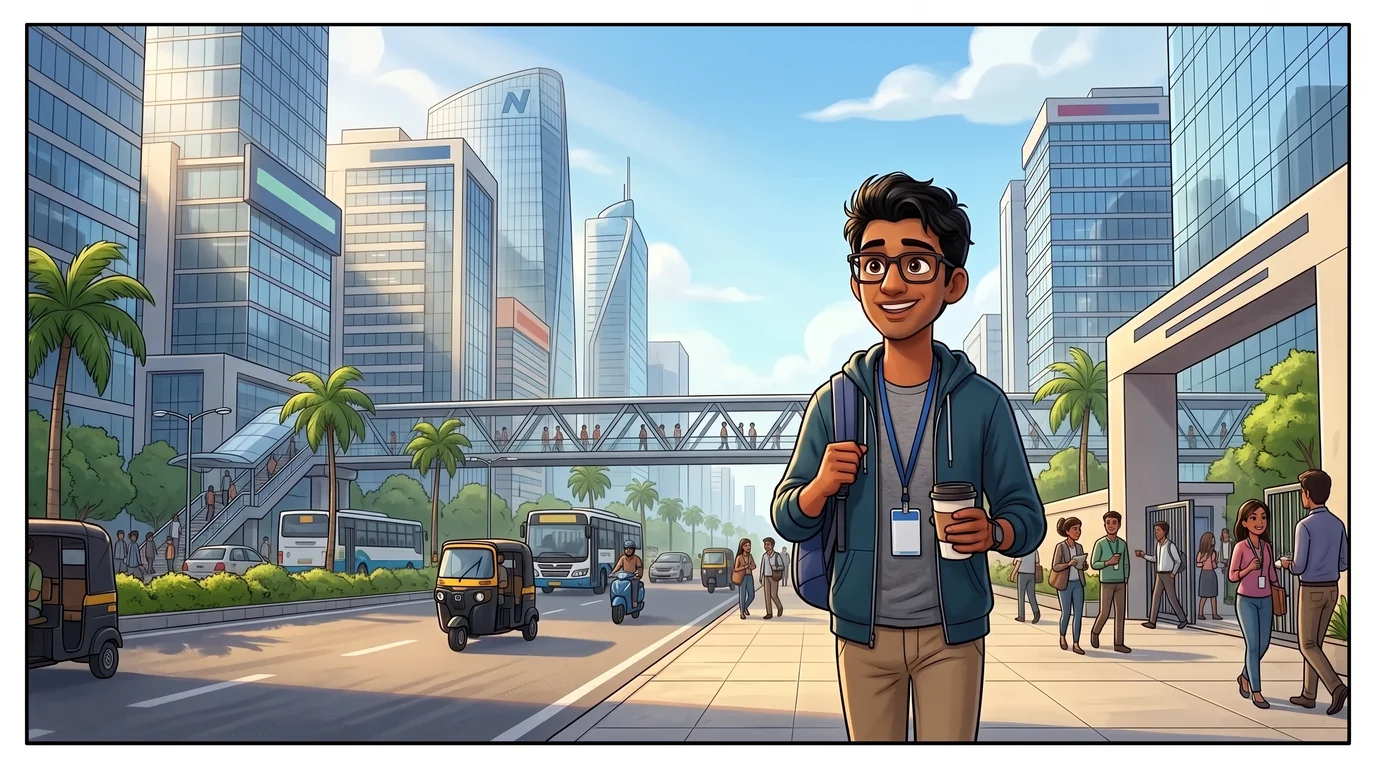
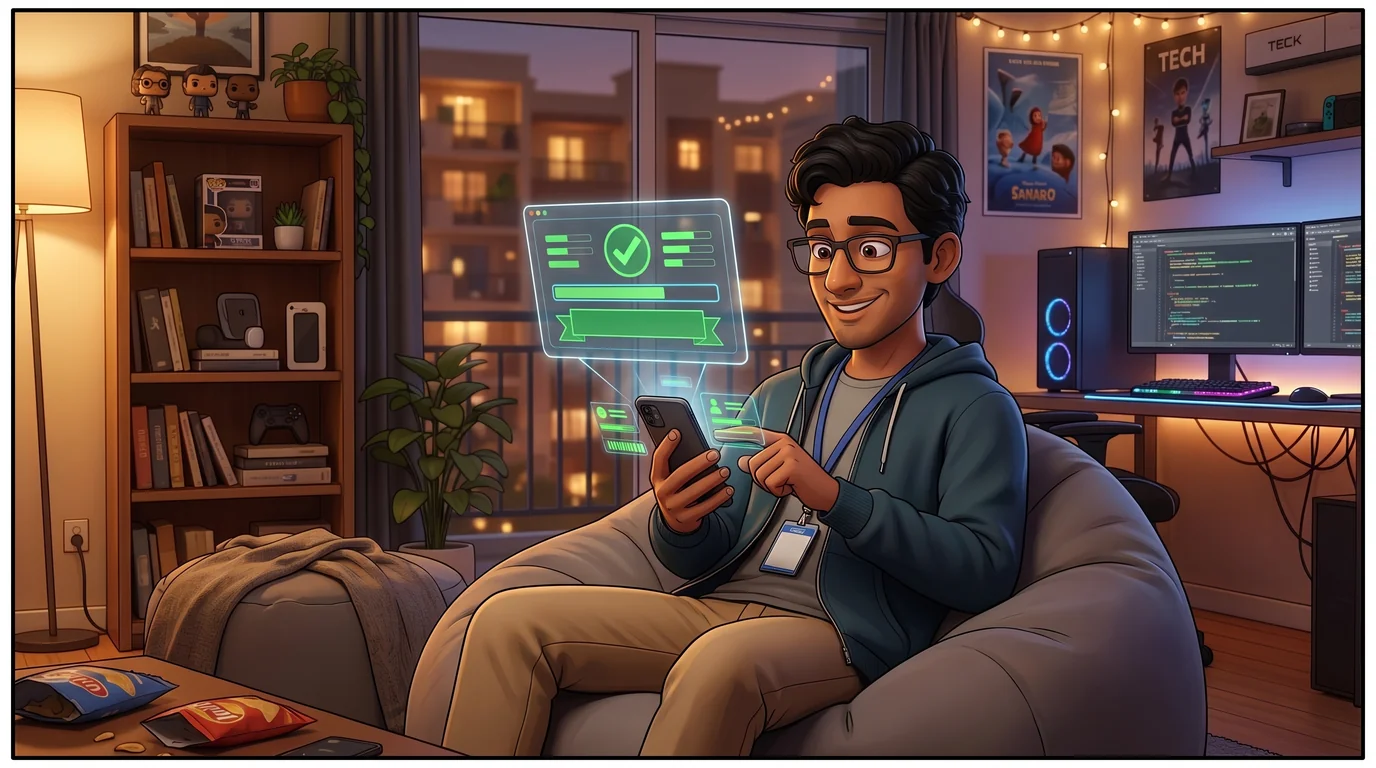
It is a crisp Monday morning in February on Bangalore's Outer Ring Road tech hub. Ten months into his first software engineering job, 22-year-old Rahul feels on top of the world—unaware that consumer credit algorithms have marked him as a prime target.
Morning rush at Bangalore Outer Ring Road: 10 months into his first software engineering role, Rahul feels on top of the world. But modern consumer finance has traps tailored specifically for confident young earners.
PANEL #2ACT 1
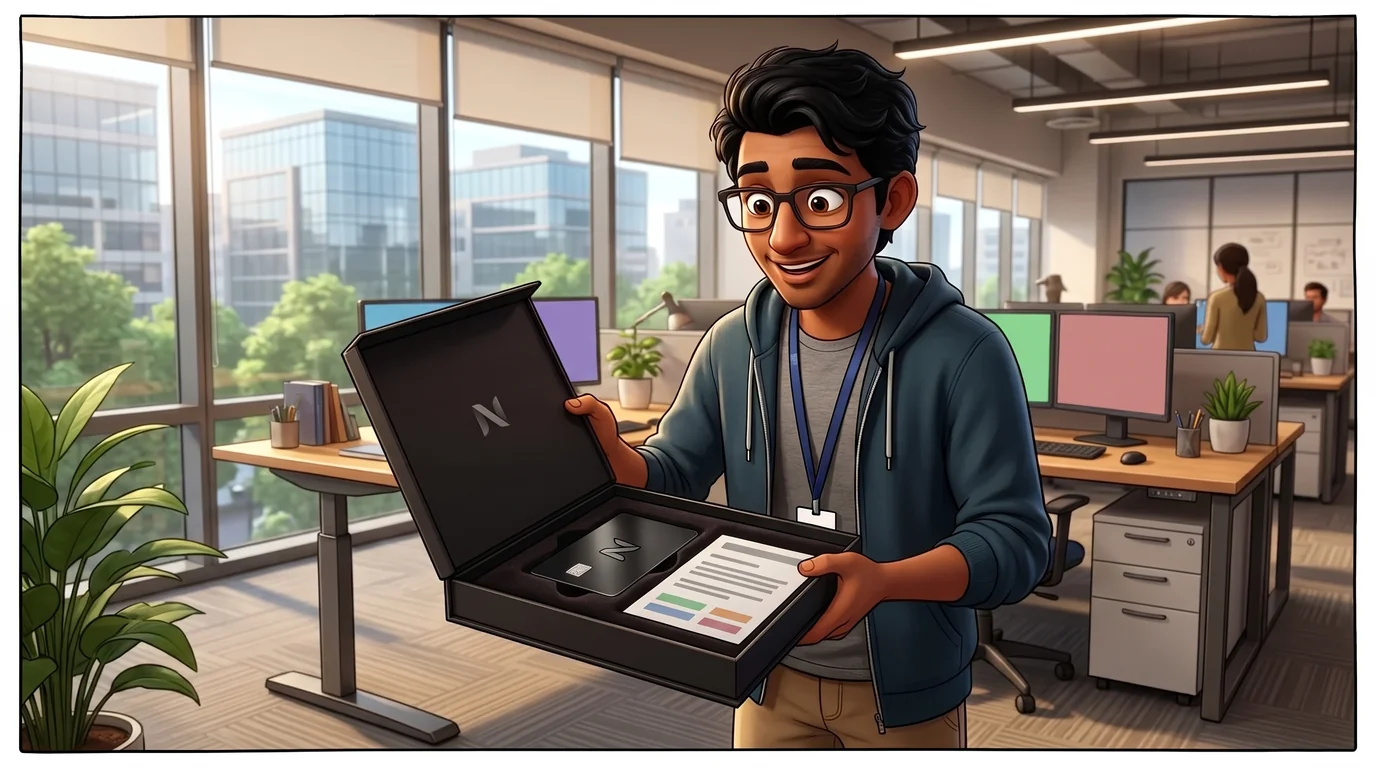
A corporate courier drops an embossed package on Rahul's desk. Apex Bank has pre-approved him for an upgraded Titanium Black metal credit card with a massive ₹2.5 Lakh limit.
🧑💻 Rahul"Whoa! Look at this sleek black metal credit card Apex Bank just couriered! A pre-approved ₹2,50,000 limit! That’s more than three times my monthly take-home salary, ready in my pocket right now!"
PANEL #3ACT 1
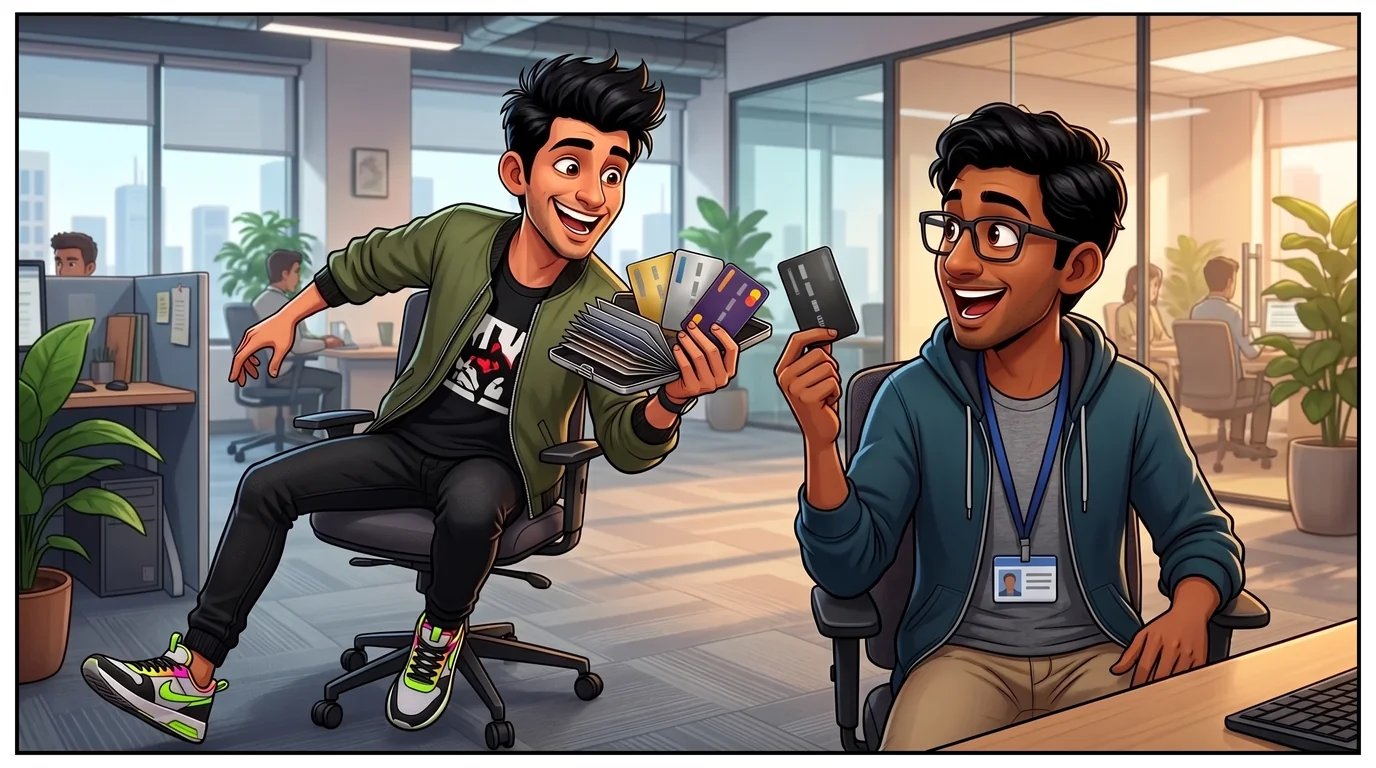
Tarun, the 24-year-old self-styled lifestyle guru of the team, spots the metal card and rolls over immediately to initiate Rahul into the culture of perpetual swiping.
👨💻 Tarun"Welcome to the big leagues, Rahul! That metal card is pure status! Swiping credit is basically free money for 50 days. Let’s hit Indiranagar this weekend and celebrate your Q3 code release in style!"
PANEL #4ACT 1
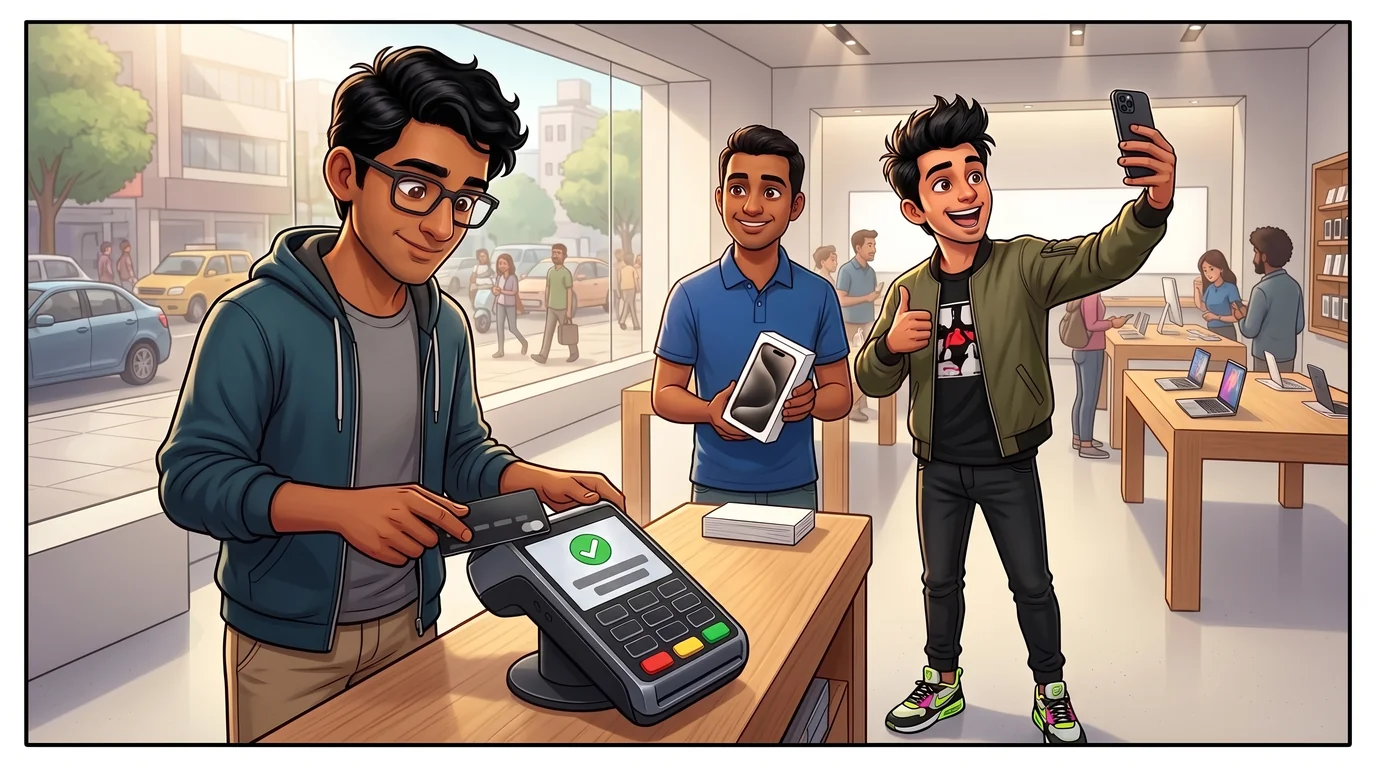
On Saturday afternoon in Indiranagar, Rahul swipes ₹70,000 on the new card for a flagship smartphone, without dipping into his bank account and without a plan to repay it.
🧑💻 Rahul"Tap and done! Why wait a year to save up when I can pay later? The metal card makes that ₹70,000 feel completely weightless!"
PANEL #5ACT 1
That evening, riding high on euphoria, Rahul insists on picking up the entire ₹15,000 tab for his friends at an Indiranagar rooftop bistro, bringing his total weekend card bill to ₹85,000.
🧑💻 Rahul"Put it all on my card, guys! Today’s bill is on me! With a ₹2.5 Lakh limit, ₹15,000 is just pocket change. I'll easily settle it when the salary hits!"
PANEL #6ACT 1
Three weeks later, the monthly statement arrives in Rahul's inbox. Total bill: ₹85,000. But staring invitingly from the PDF is the magic number: 'Minimum Amount Due: ₹4,250'.
The Statement arrives: Total Amount Due is ₹85,000. But right below, highlighted in welcoming green font, sits the magic number: 'Minimum Amount Due: ₹4,250 (5%)'.
PANEL #7ACT 1
Rahul congratulates himself on his financial cleverness. He transfers exactly ₹4,250 via UPI, convinced he has legally delayed paying ₹80,750 without consequence.
🧑💻 Rahul"Why drain my entire bank balance of ₹85,000 when the bank generously allows me to pay only ₹4,250? I'll keep the remaining ₹80,750 in my account. Banks are so customer-friendly!"
PANEL #8ACT 2
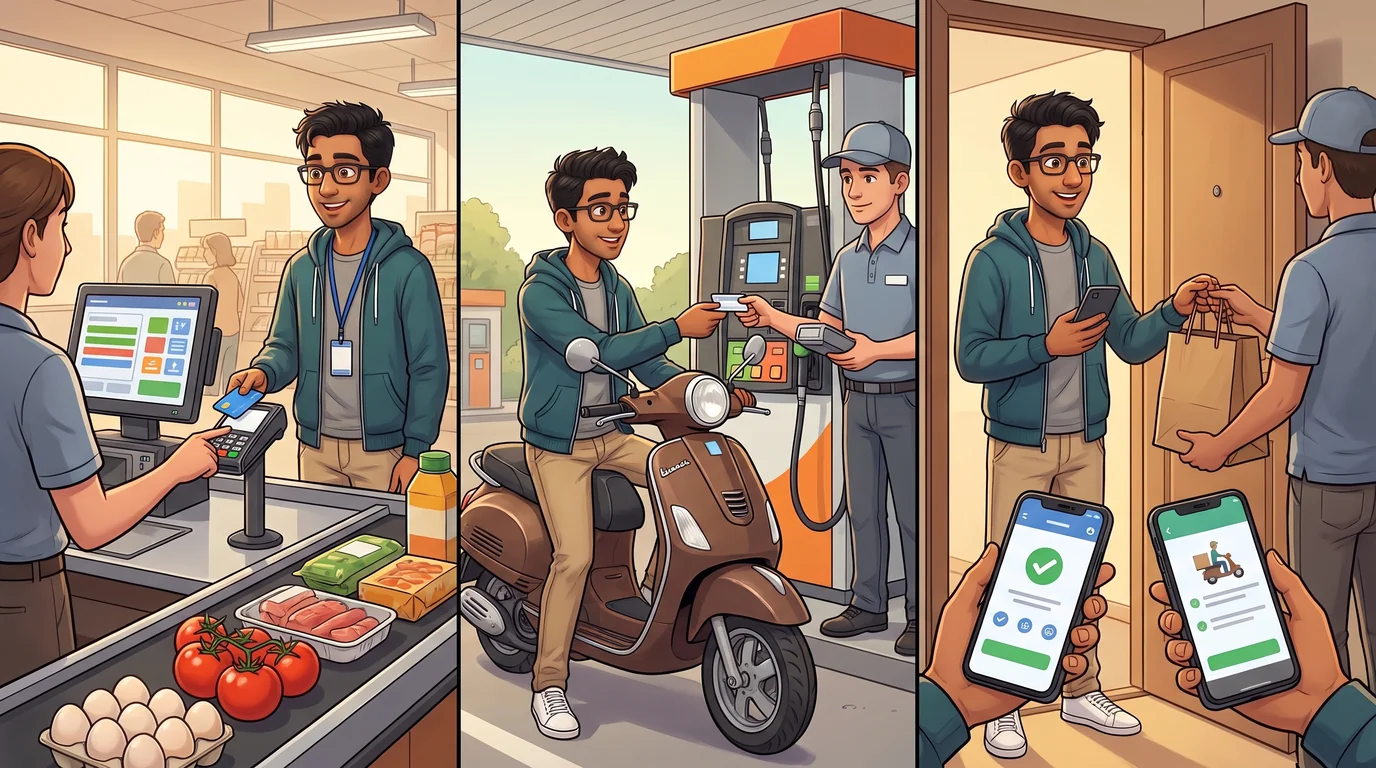
Believing his card is in perfect standing, Rahul continues his normal routine throughout Month 2, racking up ₹12,000 in grocery, fuel, and food delivery charges under the assumption of a 45-day interest-free window.
🧑💻 Rahul"Since I paid the minimum due on time, my card is in good standing! I can keep using it for daily groceries and food orders with the usual 45-day interest-free buffer!"
PANEL #9ACT 2
A month later, the next statement lands with the force of an explosion. Despite paying ₹4,250, Rahul's total bill has climbed from ₹85,000 to nearly ₹98,000, with over ₹5,000 of it interest and GST.
🧑💻 Rahul"WHAT?! I paid ₹4,250, but my balance jumped from ₹85,000 to over ₹97,700?! Over ₹5,000 added in pure finance charges and GST?! How is my debt growing AFTER I paid the bank's minimum due?!"
PANEL #10ACT 2
Rahul examines the fine print he never read. Once a bill isn't paid in full, interest runs from the day of each purchase, not from the due date.
The Fine Print Trap: Because the full bill wasn't paid, every purchase lost its interest-free period. Interest ran from the day of each purchase: on the whole ₹85,000 until his payment, then on the ₹80,750 still owed.
PANEL #11ACT 2
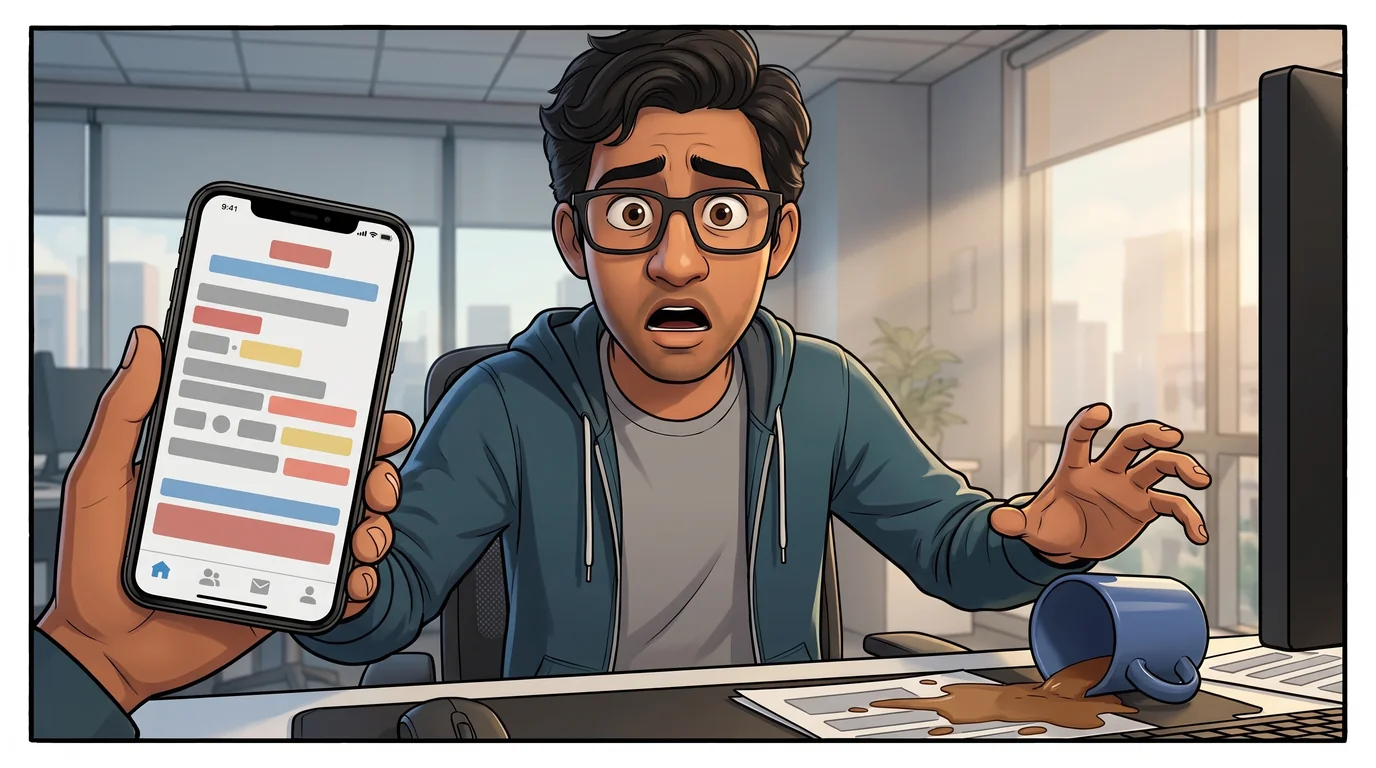
During morning coffee in the Nexa Tech cafeteria atrium, Priya spots Rahul's panic. His downcast posture and ashen face immediately signal that he has stepped on a financial landmine.
👩💼 Priya"Rahul, you look like you accidentally wiped the production server database. What happened? Did your rent get doubled, or is something seriously wrong?"
PANEL #12ACT 2
Desperate for guidance, Rahul shows Priya the statement. He feels cheated by the bank, believing he did everything by the book by paying the Minimum Due on time.
🧑💻 Rahul"Priya, look at this! I paid the bank's own 'Minimum Amount Due' on time! Why are they penalizing me with ₹5,000 in interest and GST? Isn't this an illegal scam?"
PANEL #13ACT 2

5% minimum on ₹85,000:
≈ 18 years, ₹1.7L interest
Priya dismantles the math behind the curtain. Credit card debt is the most expensive retail borrowing on earth, charging 3.5% per month (42% annualized APR).
👩💼 Priya"Rahul, it's legal, and it's in the cardholder agreement you never read! Cards charge about 3.5% a month, which is 42% a year! If you pay only the 5% minimum on this bill, it takes about 18 years to clear and ₹1.7 Lakhs in interest, before GST!"
PANEL #14ACT 2
Priya compares wealth creation to debt destruction. While young investors celebrate 12% annual compounding in mutual funds, credit cards charge 42% reverse compounding against them.
👩💼 Priya"Think about the math! When you invest in Nifty 50, you celebrate 12% annual compounding. The credit card bank is charging you 42% reverse compounding against you! You cannot build wealth while bleeding 42% interest!"
PANEL #15ACT 3
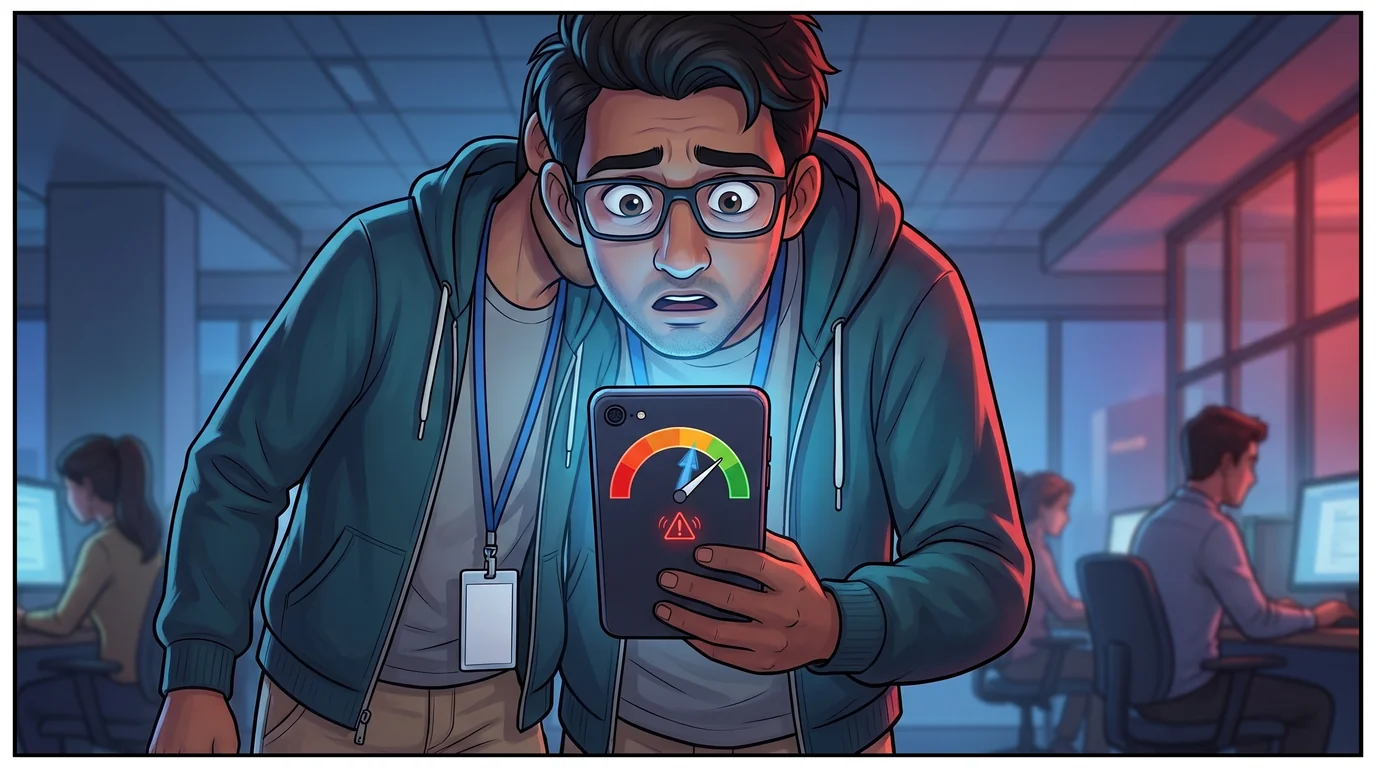
At Priya's suggestion, Rahul opens his CIBIL credit report. To his disbelief, his score has dropped from 780 to 720, even though he paid the minimum on time.
🧑💻 Rahul"No... my CIBIL score! It was 780 last quarter. Now it's 720! But I didn't miss a due date, I paid the minimum! Why is my score falling?!"
PANEL #16ACT 3
Tarun arrives in the cafeteria looking shattered. He applied for a two-wheeler loan, only to face instant rejection because his four credit cards have trashed his credit profile.
👨💻 Tarun"Bro, I’m ruined! I tried to get a ₹2 Lakh bike loan, and the bank rejected it in 30 seconds! They said my CIBIL is 610 because all four of my credit cards are maxed out! I’ve been paying minimum due for two years and the debt won't die!"
PANEL #17ACT 3
Sharmaji, Head of Corporate Payroll, overhears the distress and steps in. In his quarter-century of managing compensation, he has seen this tragedy unfold for freshers year after year.
👨💼 Sharmaji"Tarun, Rahul, take a deep breath. In my 25 years heading payroll, I have watched hundreds of bright freshers fall into this exact quicksand during their first appraisal year."
PANEL #18ACT 3
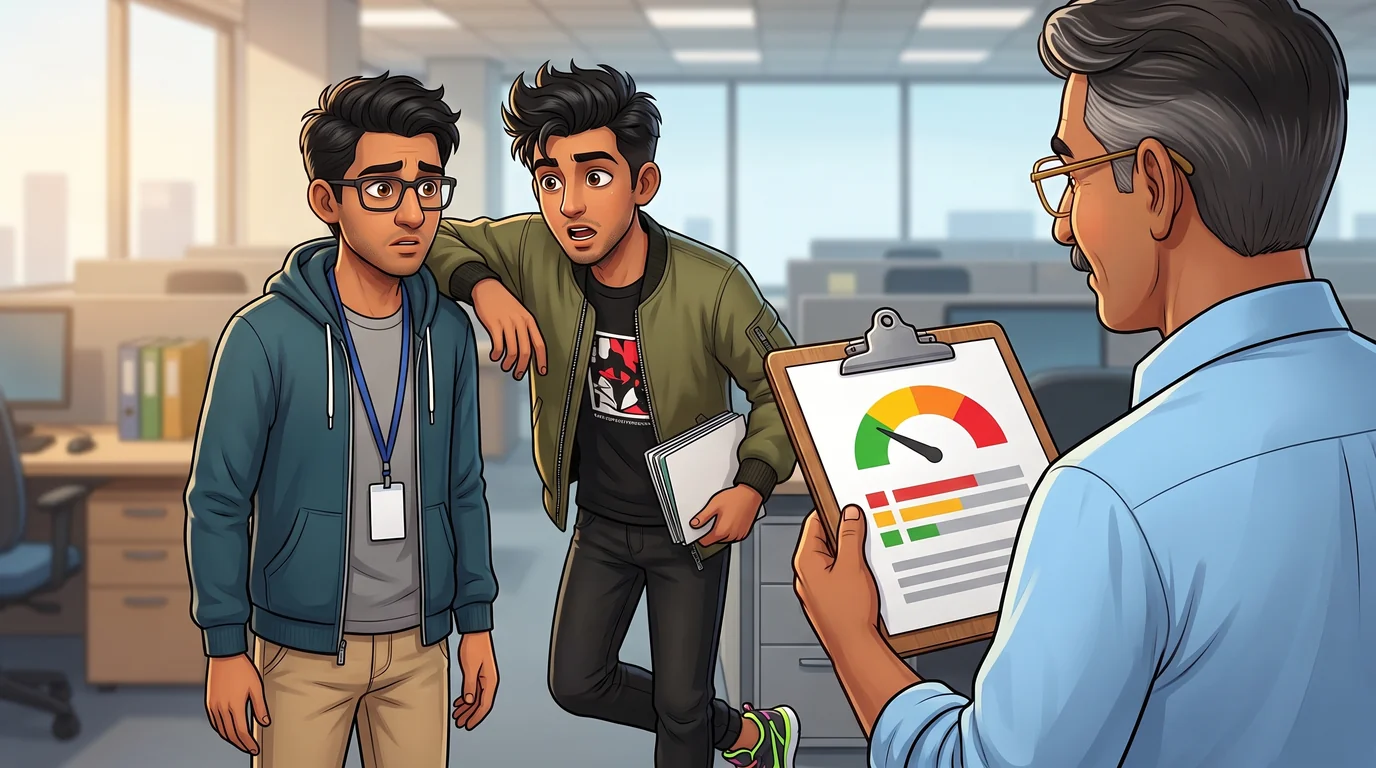
Sharmaji explains the invisible scoring metric that crushed Rahul's score: Credit Utilization Ratio (CUR). Spending ₹85,000 on a ₹2.5 Lakh limit pushed Rahul to 34% utilization, breaching the safe 30% threshold.
👨💼 Sharmaji"Look at your Credit Utilization Ratio. Rahul, you used 34% of your limit in one month, and then carried most of it over! Lenders like to see utilization under 30%, and a balance that keeps rolling over looks like financial stress. Paying only the minimum doesn't stop the score from slipping!"